Inca Mythology
Within Inca civilization, the principal creator deity was Viracocha, to whom other divinities were subordinate, such as Inti, the sun god. Mamaquilla, the moon, was the consort of Inti.
After Viracocha and the sun god, Illapa was the most important deity. He was the god of rain and was invoked in times of drought.
All Inca divinities were incorporated into the central ritual of Cuzco, where in the Temple of the Sun the rituals that affected the entire Inca empire were maintained.
Briefly stated, the Inca religious system placed special emphasis on purity and the confession of sins. Sin, as the cause of divine punishment, had to be confessed before the priest, who through divinatory techniques could verify whether the confession had been complete and sincere. A penance then followed (fasts, rites, and prayers). To die in sin meant an existence of hunger and cold in the Other World, where there would be only stones to eat. Those free of sin would be rewarded and would live alongside the sun.
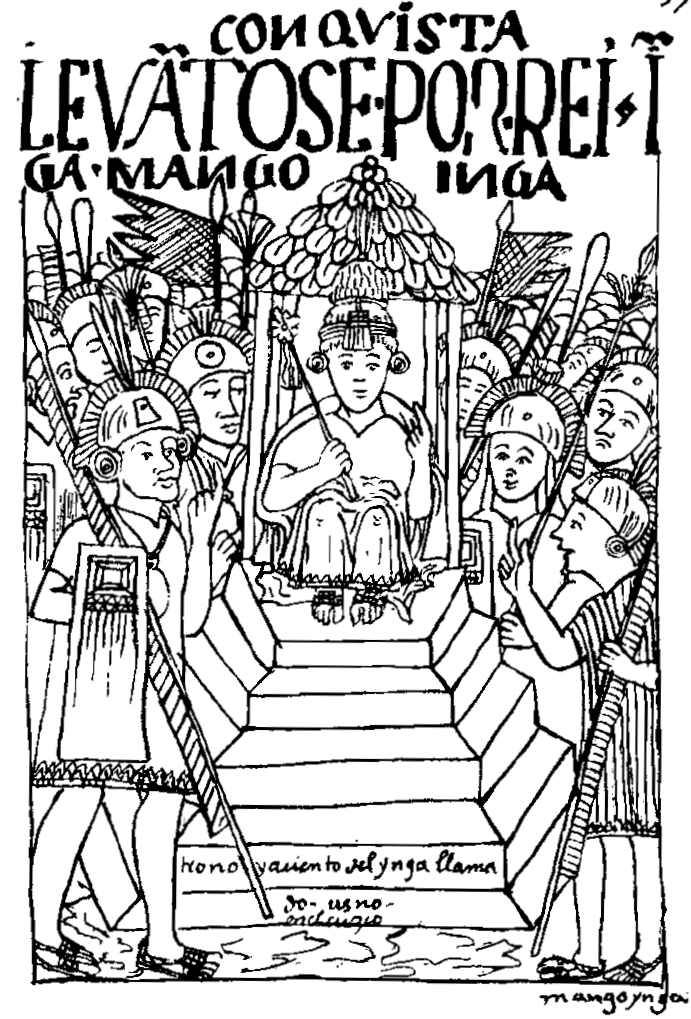
Source: Wikimedia Commons. Public domain.